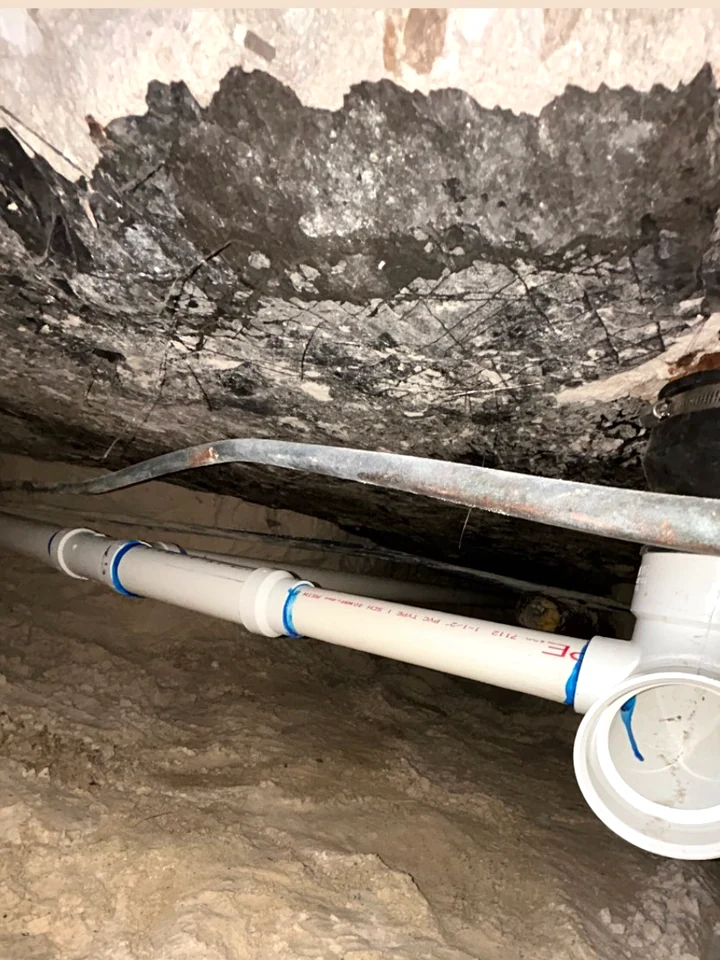
There are two separate systems in a building and either can reach the end of its life: the supply lines bringing clean water in under pressure, and the sanitary lines carrying waste out. They fail differently, they show different symptoms, and they need different work — but the decision point is the same. When the same line has been repaired three times, you are not buying repairs any more, you are renting time.
SupplyRust-tinted water, especially first thing or after a few days away.
SupplyPressure that dropped gradually over years rather than suddenly.
SupplyPinhole leaks turning up in more than one place.
SupplyGray polybutylene or galvanized steel anywhere in the building.
SanitaryRecurring backups that clear and then return within months.
SanitarySewer smell that keeps coming back with no obvious source.
SanitarySeveral fixtures draining slowly at once, not just one.
SanitaryCast iron drain lines in a building from the 1970s or earlier.
The two jobs
Supply repipeAll new water lines in copper or PEX. PEX is faster, more forgiving of movement and cheaper to install; copper is the traditional choice and some associations still specify it. The building usually decides which.
Sanitary repipeReplacing failed drain, waste and vent lines — in South Florida that overwhelmingly means cast iron that has corroded from the inside until the bottom of the pipe has channelled out.
Camera first, alwaysOn the sanitary side we put a camera down before quoting anything. It is the difference between knowing the pipe has gone and being told it has.
Route it sensiblyOverhead or through walls where we can, rather than chasing new lines through concrete. Less destructive, and far easier to service later.
Minimize the openingsAccess holes get planned rather than improvised, so there is less to patch afterward.
Permits and inspectionBoth jobs require permitting in South Florida municipalities. We pull it and see the inspection through, which also matters when you sell.
What a failing line looks like from the inside
Camera footage inside an old drain line. The bore has scaled down and the wall is no longer smooth.
This is why we put a camera down before quoting sanitary work. Scale like this does not clear — it is the pipe itself, and no amount of cabling gives you back the bore you have lost.
More finished work
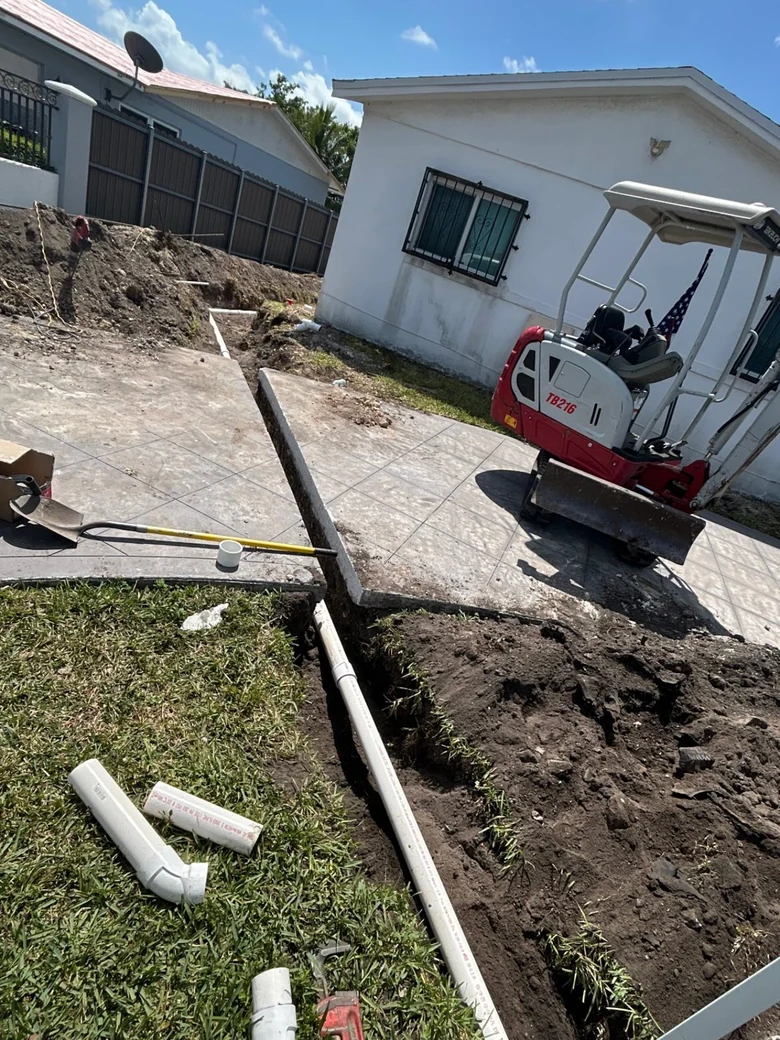
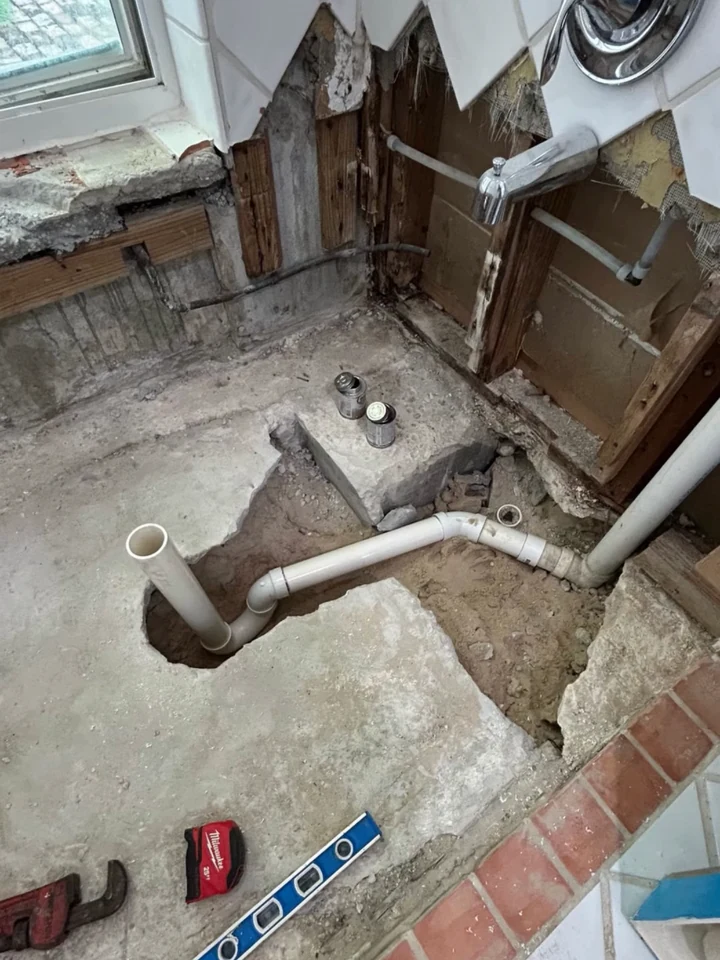
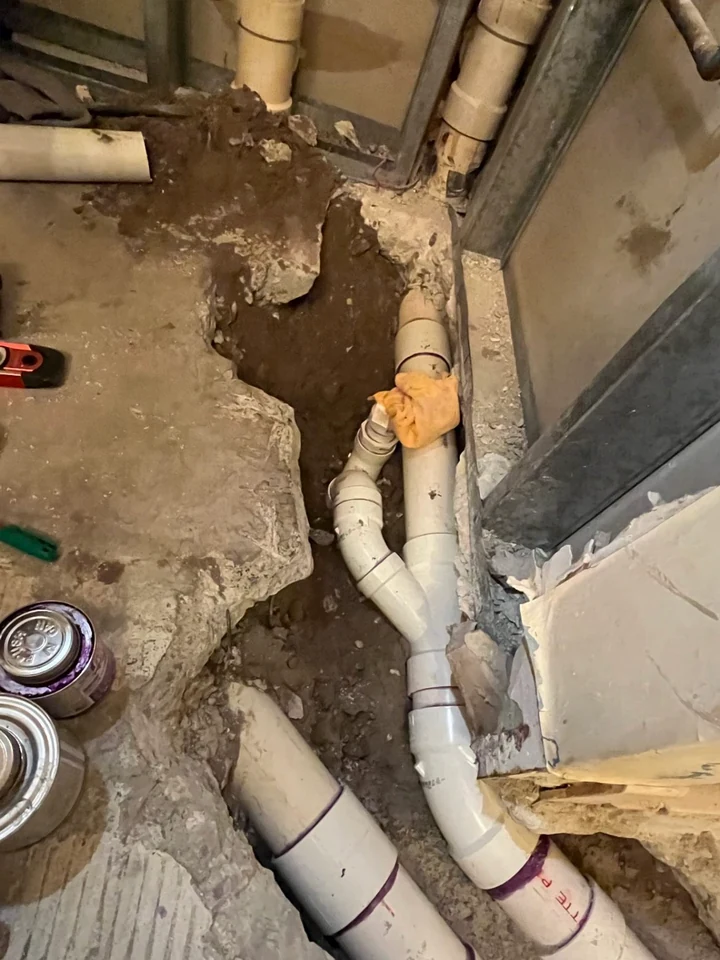
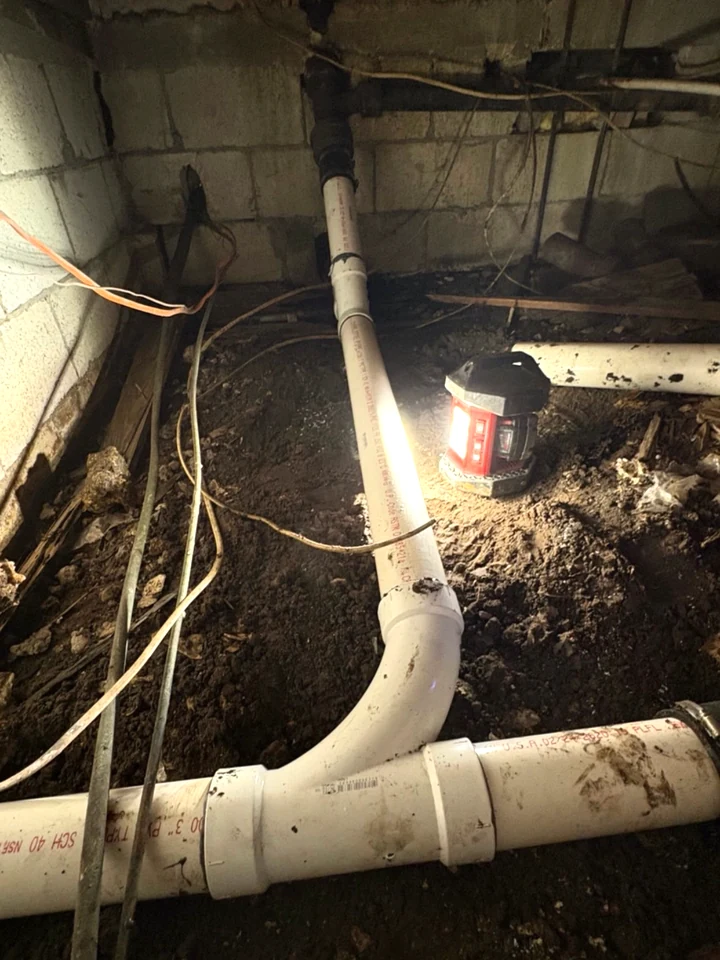
Slab opened in a bathroom, new drain and closet bend set.New drain lines run in the floor before it goes back.New PVC drain lines run through a crawlspace.A new cleanout set under the last bathroom on the job.
Cast iron, polybutylene and the Florida timeline
South Florida has an unusual concentration of both problems at once. A huge amount of local housing was built or replumbed during the polybutylene years, and that gray pipe fails from the inside where nobody can see it; galvanized steel from earlier decades rusts inward until the bore closes and pressure drops. On the drain side, buildings from the 1970s and earlier are largely cast iron, which in this climate and this water corrodes from the inside until the invert channels out and the line starts holding waste instead of carrying it. That is why so many condo associations here end up running building-wide sanitary replacement projects. Insurers have also become considerably less relaxed about all three materials, which is worth knowing before your next renewal.
What it costs
Both are quoted flat-rate after we have seen the building, because the number depends far more on access and routing than on square footage, and the permit is part of the quote. On the sanitary side we will not price the job without putting a camera down first. We will also tell you plainly if you are not there yet and a targeted repair will still serve you for years.
Common questions
What is a sanitary repipe?
Replacing the drain, waste and vent piping rather than the water supply. It is the job you need when the pipe carrying waste out has failed — usually cast iron — and it is a different scope entirely from a supply repipe, even though people use the word repipe for both.
Should cast iron be replaced or lined?
Lining is sometimes proposed as the less disruptive alternative. It genuinely suits some situations and is a poor answer in others, and which one you are in depends on how much pipe wall is actually left. That is what the camera tells us, and we will give you a straight read on it rather than a default recommendation.
How long does it take?
Most homes are days rather than weeks, and you will not be without water or drainage the whole time. Building-wide sanitary work in a condo is a bigger conversation and we will give you a realistic schedule after seeing it.
Copper or PEX for the supply side?
For most South Florida homes PEX is the practical answer, but some condo associations and some buyers specifically want copper. Neither is wrong; the building usually decides.
Let’s get it fixed.
One call gets you a real plumber, a fixed price, and a job done right. No callbacks, no surprises, no runaround.
 Cornerstone Plumbing